
Sub-Total: €0.00
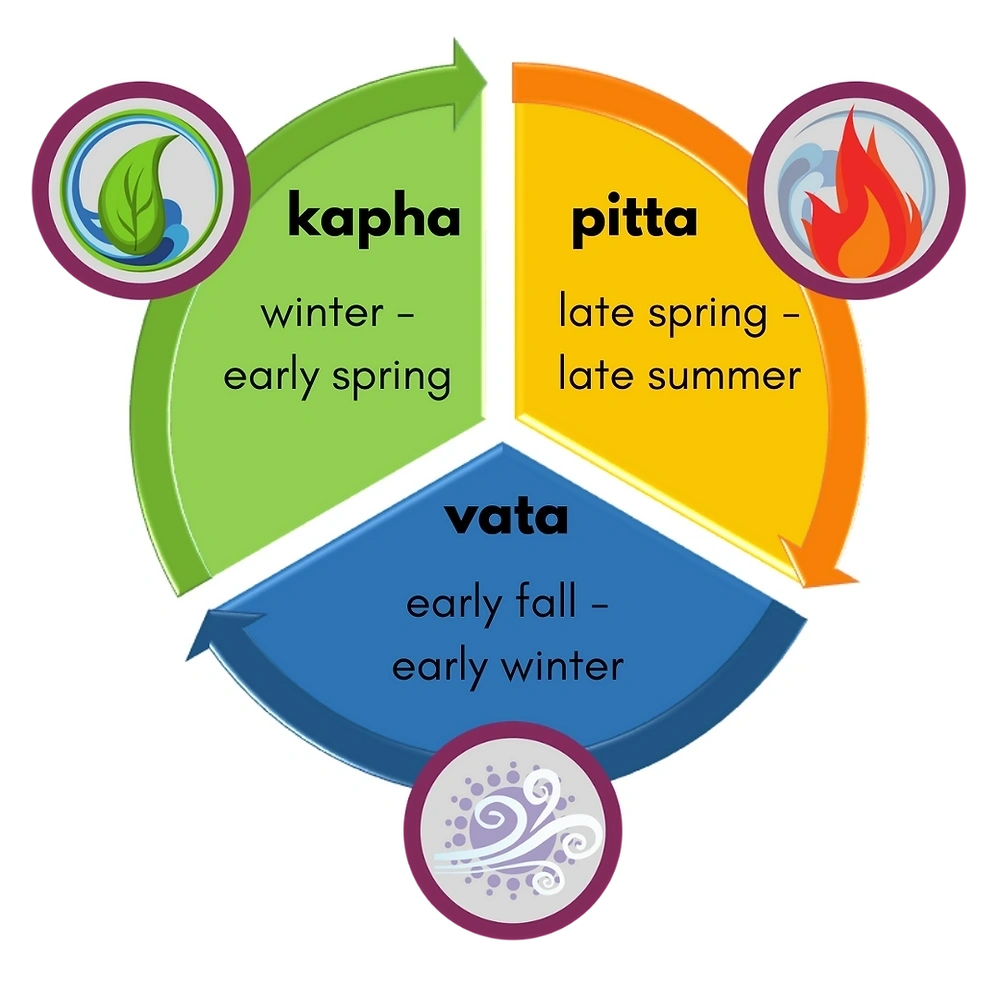
AYURVEDA & THE SEASONS: VATA BALANCE IN THE FALL
Ayurveda Tips for Vata Balance in Fall
Fall is a season of transition, marked by cool winds, dry air, and shorter days. In Ayurveda, these qualities are associated with Vata dosha, which governs movement, communication, and the nervous system. Vata is light, dry, cold, mobile, and irregular, and these qualities are naturally amplified during autumn. Think warm, moist, and steady.
When Vata becomes imbalanced, especially in the fall, it can manifest as anxiety, dryness (skin, hair, digestion), restlessness, poor sleep, and difficulty focusing. This is especially true for those with a predominantly Vata constitution.
To remain grounded, warm, and balanced during the fall season, here are Ayurvedic tips for pacifying Vata:
1. Favor Warm, Moist, and Nourishing Foods
During fall, it’s essential to counteract Vata’s cold and dry nature with foods that are warm, grounding, and oily. These help to lubricate the body and calm the nervous system.
- Cooked meals are key: Favor stews, soups, khitchadi, root vegetables, and warm grains like oatmeal or rice.
- Healthy fats: Ghee, sesame oil, olive oil, and avocados help nourish dry tissues.
- Sweet, sour, and salty tastes: These flavors help ground Vata. Include seasonal fruits like cooked apples and pears, or dishes with a splash of lime or tamari.
- Avoid raw, dry, and cold foods: Salads, crackers, popcorn, and iced drinks increase dryness and should be limited during this season.
- Warming spices: Ginger, cinnamon, fennel, cumin, cardamom, and cloves not only enhance digestion but also provide comforting warmth.
- Hydrate warmly: ginger tea or cumin, coriander, fennel, holy basil leaf, and ginger root tea.
- Nervous system hygiene: screen-free evening, legs up the wall, journaling
2. Establish a Grounding Daily Routine
Vata thrives on rhythm, yet it’s inherently irregular. Creating a predictable daily structure helps stabilize Vata’s scattered energy.
- Wake up and go to bed at consistent times—ideally sleeping by 10 p.m.
- Eat at the same times daily to support healthy digestion and reduce bloating or irregular hunger.
- Simplify your schedule to avoid over-stimulation and overwhelm.
- Wind down with a calming evening ritual: gentle yoga, herbal tea, journaling, or warm baths.
3. Practice Soothing and Restorative Movement
While Vata types are often active and energetic, they benefit most from slow, mindful movement to stay centered.
- Gentle yoga: Focus on slow-paced, grounding practices with deep breaths and seated poses.
- Walking in nature: Aim for relaxed, mindful walks in the crisp fall air to balance movement with stillness.
- Tai chi or Qigong: These flowing practices calm the mind and encourage body awareness.
Avoid high-intensity workouts or excessive cardio during fall, which can further unbalance Vata.
4. Stay Warm and Well-Oiled
Cold, windy air can quickly dry out the skin and aggravate the nervous system. Keeping your body warm and moisturized is a foundational Vata-balancing practice.
- Dress in layers: Protect yourself from wind and temperature shifts by wearing warm, natural fabrics like wool or cotton.
- Daily abhyanga (oil massage): Use warm sesame oil or vata-balancing herbal oils before your shower to calm the nervous system and nourish dry skin.
- Take warm baths or showers regularly, especially in the evening to promote deep sleep.
5. Support Calm Through Breath and Mindfulness
Vata’s mobile, airy qualities can lead to an overactive mind. Use calming breathwork and meditation to settle the internal winds.
- Alternate Nostril Breathing (Nadi Shodhana): Balances both hemispheres of the brain and soothes anxiety.
- Belly breathing: Deep, slow breaths into the belly help relax the nervous system and ground scattered thoughts.
- Meditation: Even just 5–10 minutes of sitting in stillness or guided visualization can center and calm Vata energy.
6. Use Warm, Earthy Aromatherapy
Scents can have a powerful impact on Vata’s emotional state. Choose grounding, warming essential oils to ease nervousness and promote tranquility.
- Vetiver: Deeply grounding and stabilizing.
- Frankincense: Supports focus and emotional clarity.
- Sandalwood: Soothes the mind and promotes peace.
- Lavender: Calming and supportive for restful sleep.
Apply them in the evening or use diluted oil on your wrists or temples.
One-day sample:
- Breakfast: spiced oatmeal with dates & ghee
- Lunch: mung dal kitchari + roasted root veggies
- Dinner: carrot–ginger soup + soft rice
- Evening: sesame oil abhyanga, warm shower, 6 min Nadi Shodhana (alternate nostril breathing)
Fall is Vata Season—Embrace It With Care
Vata season invites us to slow down, simplify, and nourish ourselves from the inside out. By aligning your lifestyle with the rhythms of nature, you can use fall as a time of deep nourishment, introspection, and inner stillness. Let Ayurveda guide you to stay warm, grounded, and centered—no matter how the wind blows.
Stay rooted and radiant this fall.
Ready for a personal plan? Book a Fall Reset consult:
Connect with me [smita@oleaolivedic.com] to schedule your 15-minute consult.