
Sub-Total: €0.00
Balancing Doshas: Whole Mung vs. Split Mung in Ayurveda
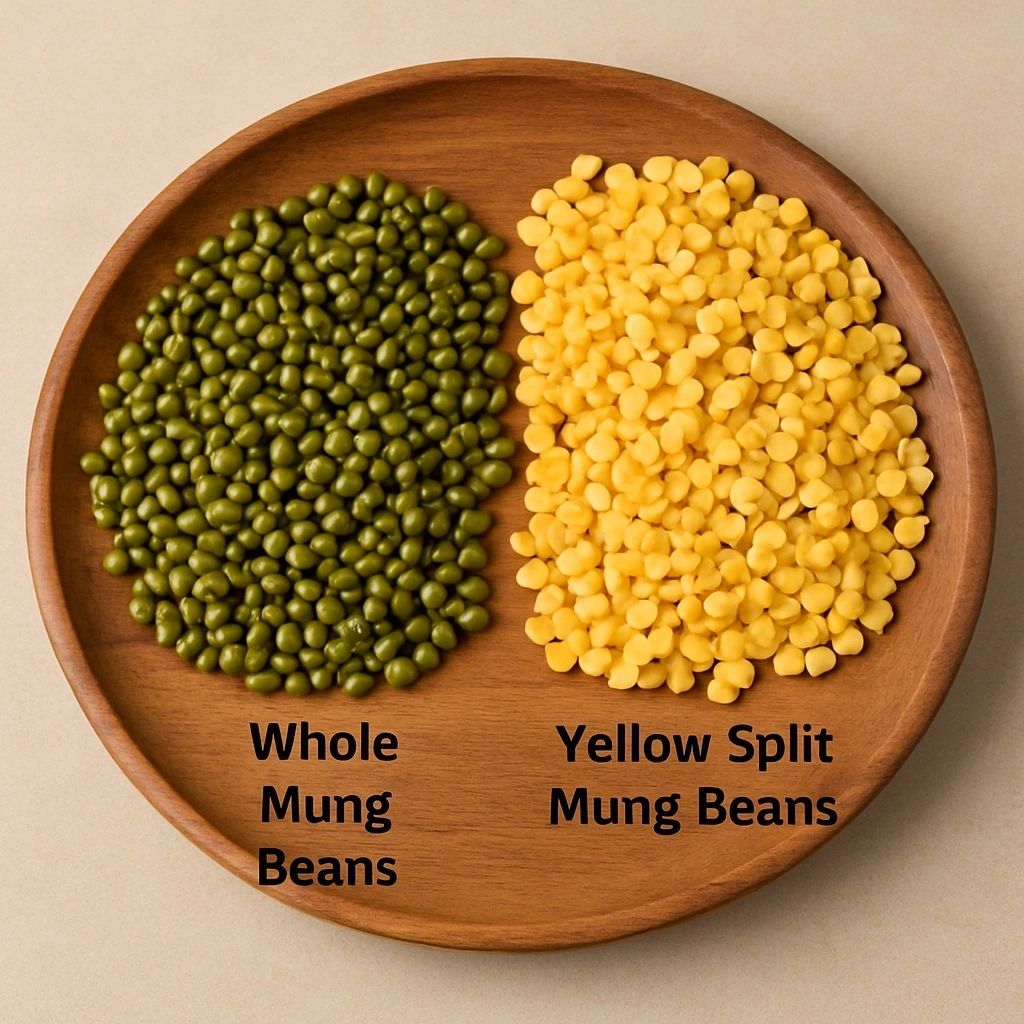
Whole Green Mung beans (Vigna radiata), also known as green gram or moong, are small green legumes native to the Indian subcontinent. Cultivated for over 4,000 years, they have become a staple in various Asian cuisines and are increasingly popular worldwide due to their nutritional benefits and versatility.
Nutritional Profile
Mung beans are a powerhouse of nutrients:
- Protein: Approximately 7 grams per 100 grams of cooked beans, making them an excellent plant-based protein source.
- Fiber: About 7.6 grams per 100 grams, aiding digestion and promoting satiety.
- Vitamins and Minerals: Rich in folate (vitamin B9), iron, magnesium, and potassium. Folate is particularly vital during pregnancy.
- Antioxidants: Contain compounds like vitexin and isovitexin, which have antioxidant properties.
Health Benefits
Incorporating mung beans into your diet can offer several health advantages:
- Digestive Health: High fiber content supports regular bowel movements and overall gut health.
- Heart Health: May help lower LDL (bad) cholesterol levels and blood pressure.
- Blood Sugar Regulation: Low glycemic index and complex carbohydrates help in stabilizing blood sugar levels.
- Weight Management: High in protein and fiber, which can promote feelings of fullness and reduce overall calorie intake.
- Immune Support: Antioxidant properties may help boost the immune system.
Culinary Uses
Mung beans are incredibly versatile in the kitchen:
- Whole Beans: Can be boiled and added to soups, stews, and salads.
- Sprouted: Mung bean sprouts are popular in stir-fries, sandwiches, and as salad toppings.
- Split and Hulled (Moong Dal): Commonly used in Indian dishes like dals and khichadi.
- Flour: Used to make pancakes and noodles in various Asian cuisines.
Their mild flavor allows them to absorb spices and seasonings well, making them suitable for both savory and sweet dishes.
Yellow split mung beans, also known as moong dal, are hulled and split mung beans (Vigna radiata). This process removes the green outer skin, revealing the yellow interior. They are a staple in South Asian cuisine and are appreciated for their quick cooking time, digestibility, and nutritional benefits.

Nutritional Highlights
Yellow split mung beans are rich in essential nutrients:
- Protein: Approximately 43% of the Daily Value per half-cup serving, making them an excellent plant-based protein source.
- Fiber: Provides about 57% of the Daily Value per half-cup, supporting digestive health.
- Vitamins and Minerals: High in folate, iron, magnesium, potassium, and zinc, contributing to overall health and wellness.
Health Benefits
Incorporating yellow split mung beans into your diet can offer several health advantages:
- Digestive Health: High fiber content supports regular bowel movements and overall gut health.
- Heart Health: May help lower LDL (bad) cholesterol levels and blood pressure.
- Blood Sugar Regulation: Low glycemic index and complex carbohydrates help stabilize blood sugar levels.
- Weight Management: High in protein and fiber, which can promote feelings of fullness and reduce overall calorie intake.
- Immune Support: Antioxidant properties may help boost the immune system.
Culinary Uses
Yellow split mung beans are versatile and can be used in various dishes:
- Soups and Stews: Ideal for hearty soups, such as curried mung bean soup with coconut milk.
- Dals: A staple in Indian cuisine, moong dal is often prepared with spices and served with rice or flat breads.
- Salads: Cooked and cooled mung beans can be added to salads for extra protein and texture.
- Desserts: Used in various Asian desserts, including sweet soups and pastries.
Whole Mung Beans vs. Yellow Split Mung Beans

How to Soak Mung Beans (Whole & Split)
Soaking both the whole and yellow split mung beans is a foundational practice in Ayurveda, enhancing their digestibility, nutritional value, and alignment with your body’s natural rhythms.
Whole Mung Beans (Green Gram)
- Rinse thoroughly: Wash the beans under running water to remove dust and debris.
- Soak: Place in a bowl with 3–4 times the volume of water. Soak for 8–12 hours or overnight.
- Drain and rinse: Discard the soaking water and rinse the beans until the water runs clear.
- Cook: Boil until tender, approximately 30–45 minutes.
Yellow Split Mung Beans (Moong Dal)
- Rinse well: Cleanse the dal under running water.
- Soak: Soak for 4–6 hours.
- Drain and rinse: Discard the soaking water and rinse thoroughly.
- Cook: Boil until soft, about 20–30 minutes.
Note: While yellow split mung beans can be cooked without soaking, soaking is recommended to enhance digestibility and reduce cooking time.
Ayurvedic Perspective on Soaking Mung Beans
In Ayurveda, mung beans are esteemed for their lightness (Laghu), dryness (Ruksha), and cooling (Shita) properties, making them suitable for all doshas—Vata, Pitta, and Kapha.
- Enhances Digestive Fire (Agni): Soaking activates enzymes that break down complex starches, easing digestion and supporting a healthy digestive fire.
- Reduces Anti-Nutrients: Soaking diminishes compounds like phytic acid and tannins, which can hinder nutrient absorption and cause bloating.
- Minimizes Gas and Bloating: By leaching out oligosaccharides, soaking helps prevent gas and bloating, common issues with legume consumption.
- Revitalizes Prana (Life Energy): Soaking is believed to infuse legumes with prana, enhancing their vitality and nourishing qualities.

Culinary Applications:
- Whole Green Mung Beans: Ideal for sprouting, soups, stews, and salads. Their firm texture holds up well in various dishes.
- Yellow Split Mung Beans (Moong Dal): Commonly used in dals, khichadi, and Ayurvedic cleansing recipes due to their soft texture and quick cooking time
Incorporating soaked mung beans into your diet aligns with both modern nutritional science and ancient Ayurvedic wisdom, promoting better health and vitality.