
Sub-Total: €0.00
A Grounding Ayurveda Protocol for the New Year
Beginning the New Year with Ayurveda: A Return to Rhythm
The New Year often arrives with noise, resolutions, expectations, and an urgency to become someone different. Ayurveda offers a quieter invitation. Rather than pushing forward, it asks us to pause, listen, and return to rhythm.
In Ayurveda, the New Year is not about reinvention. It is about remembrance of our natural intelligence, our relationship with nature, and the subtle wisdom of the body.
Ayurveda as a Living Practice
Ayurveda is often misunderstood as a system of rules or prescriptions. In truth, it is a living science of life, one that meets us where we are and adapts with the seasons, our environment, and our current state of being.
At the start of a new year, Ayurveda encourages reflection rather than force. How did your body feel last year? Where was there ease, and where was there strain? What rhythms supported you, and which ones pulled you out of balance?
These questions become more powerful than any resolution.
Winter as a Time for Integration
From an Ayurvedic perspective, the New Year arrives during a season of inward energy. Winter carries qualities of cold, heaviness, and stillness. This is not a time to deplete ourselves with extremes, but to nourish, warm, and stabilize.
Simple practices such as warm meals, regular routines, adequate rest, and gentle movement lay the foundation for vitality later in the year. When digestion is supported, and the nervous system feels safe, clarity and motivation arise naturally.
Ayurveda reminds us that lasting change begins with steadiness.

Intention Over Intensity
Rather than setting goals rooted in pressure or comparison, Ayurveda invites us to set intentions rooted in care. An intention might be as simple as eating one mindful meal a day, waking at a consistent time, or creating space for silence.
Small, consistent actions create deep transformation. When we honor the body’s needs, it responds with resilience and clarity.
Aligning with Nature’s Cycles
One of Ayurveda’s greatest teachings is alignment—with nature, with seasonality, and with our own inner landscape. As the year unfolds, our needs will change. What supports us in winter may differ from what nourishes us in spring or summer.
Beginning the year with this awareness allows us to move with life rather than against it.
A Gentle Invitation
As you step into the New Year, consider allowing Ayurveda to be a companion rather than a checklist. Let it support you in listening more deeply, slowing down when needed, and cultivating health that feels sustainable and kind.
The New Year does not ask for perfection. It asks for presence. When we begin from rhythm rather than resistance, the year ahead unfolds with greater ease, clarity, and trust.
Supporting Vata Balance Through Nourishment, Rhythm, and Presence
The transition into a new year often carries movement, uncertainty, and mental stimulation, qualities that can easily aggravate Vata dosha. Ayurveda reminds us that this season calls not for acceleration, but for grounding. Through warmth, routine, and conscious rest, we create the conditions for clarity and resilience to emerge naturally.
The following simple protocol offers practical ways to stabilize the body, calm the nervous system, and support digestion as we enter the year ahead.

1. Dietary Grounding
Vata-Balancing Nourishment
Food is one of the most direct ways to ground Vata. During winter and times of transition, meals should be warm, cooked, and easy to digest.
- Warm & Cooked Foods: Prioritize soups, stews, kitchari, congee, and well-cooked grains. These meals provide warmth, moisture, and stability.
- Root Vegetables: Incorporate grounding vegetables such as sweet potatoes, carrots, beets, squash, and parsnips to support steadiness and strength.
- Warming Spices: Use digestive spices like fresh ginger, cinnamon, turmeric, cumin, and fennel to kindle agni (digestive fire) without over-stimulation.
- Healthy Fats: Include ghee or sesame oil in cooking to nourish tissues, lubricate joints, and calm the nervous system.
- Reduce or Avoid: Cold, raw, dry, or rough foods—such as salads, crackers, and iced drinks—which can aggravate Vata and weaken digestion.

2. Routine & Self-Care
Re-establishing Dinacharya
Vata thrives on regularity. Establishing simple daily rhythms helps counter the mental and physical scattering that often follows the holidays.
- Consistent Schedule: Wake, eat, and sleep at roughly the same times each day to support circadian balance and nervous system regulation.
- Abhyanga (Self-Massage): Practice daily self-massage with warm sesame or almond oil. This grounding ritual calms the mind, supports circulation, and promotes deep nourishment.
- Warm Hydration: Sip warm water or herbal teas throughout the day to aid digestion and maintain internal warmth.
- Mindful Mornings: Begin the day with tongue scraping, oil pulling, and a few moments of quiet reflection or meditation before engaging with the outside world.

3. Mindful Movement & Meditation
Stabilizing the Body and Mind
Movement should be grounding rather than stimulating, supporting circulation while anchoring awareness.
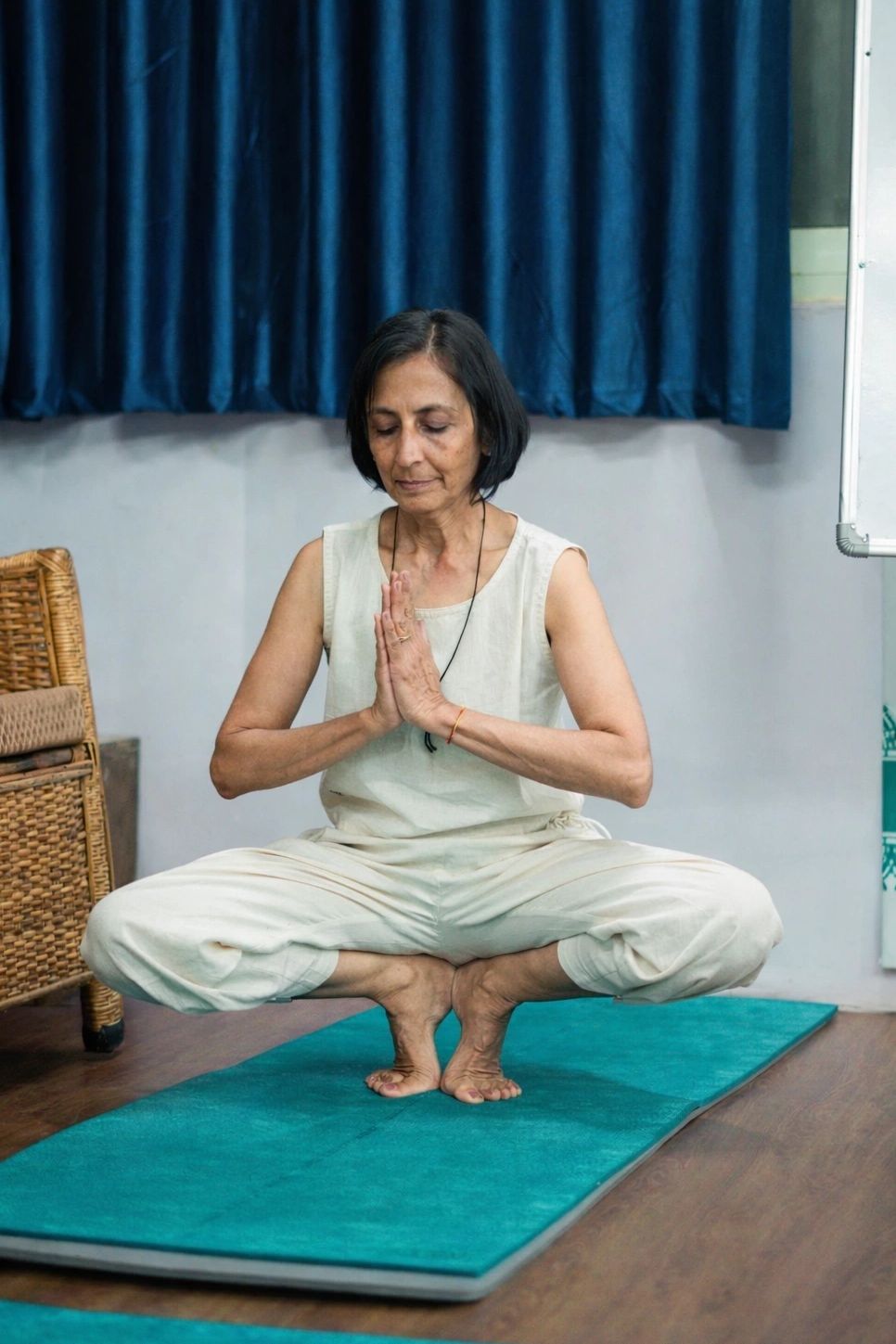
- Gentle Yoga: Choose Hatha, restorative yoga, or slow, mindful practices that emphasize stability and breath awareness.
- Walking Meditation: Walk slowly and rhythmically, focusing on the sensations of each step—lift, move, place—to anchor attention in the body.
- Pranayama: Practice Nadi Shodhana (alternate nostril breathing) to balance the nervous system and calm mental fluctuations.
- Earth Connection: If possible, meditate outdoors or near natural elements. Visualize grounding energy rising from the earth, supporting the body and mind.

4. New Year Intentions (Ayurveda Perspective)
Intention Over Intensity
Ayurveda re-frames New Year intentions as acts of conservation rather than expansion.
- Conserve Energy: Winter is a season of replenishment. Focus on nourishing practices rather than overexertion or drastic change.
- Align with Nature: Honor the quiet, grounding qualities of the season by simplifying schedules and reducing sensory overload.
- Prioritize Rest: Aim for bedtime by 10:00 p.m. to align with natural biological rhythms and support hormonal and nervous system health.
Closing Reflection
Grounding is not about doing more; it is about doing less with greater intention. When Vata is supported through warmth, rhythm, and care, clarity arises naturally, digestion strengthens, and the mind settles.
May this New Year begin not with urgency, but with steadiness, and may nourishment, in all its forms, guide the path ahead.