
Sub-Total: €0.00
Ayurvedic Wisdom for a Harmonious Menopause Transition
Ayurvedic Wisdom for a Harmonious Menopause Transition
Menopause is a natural and inevitable phase of a woman’s life, yet for many, it can feel anything but natural. Physical discomfort, emotional shifts, disrupted sleep, and energy changes can make this transition feel unsettling and overwhelming.
Rather than simply managing symptoms or resigning oneself to “this is just how it is now,” Ayurveda invites a different approach. Rooted in thousands of years of lived wisdom, Ayurveda offers gentle, holistic guidance to help women move through menopause with greater ease, balance, and vitality.
Menopause is not viewed as a problem to fix, but as a meaningful transition, one that asks for deeper listening, nourishment, and rhythm.
What Is Menopause?
Menopause is the natural biological process that marks the end of a woman’s menstrual cycles and reproductive years. It is officially recognized after twelve consecutive months without a menstrual period, reflecting a decline in ovarian production of estrogen and progesterone. Most women experience menopause between the ages of 45 and 55, though timing varies.
This hormonal shift influences not only the reproductive system, but also metabolism, bone health, cardiovascular function, mood, and sleep, making holistic support especially important.
The Stages of Menopause
- Peri-menopause: This transitional phase may begin several years before menopause. Hormone levels fluctuate, and women may experience irregular cycles, anxiety, mood changes, sleep disturbances, hot flashes, or changes in energy and weight.
- Menopause: This stage is reached once menstruation has ceased for twelve months. Common experiences include hot flashes, night sweats, vaginal dryness, changes in libido, and sleep disruption.
- Post-menopause: The years following menopause often bring hormonal stability; however, lower estrogen levels can increase the importance of supporting bone density, cardiovascular health, digestion, and emotional well-being.

An Ayurvedic Understanding of Menopause
Ayurveda views ageing and menopause in particular as a phase naturally influenced by Vata dosha, which carries the qualities of movement, dryness, lightness, and change. As Vata increases, women may notice symptoms such as dryness of the skin and tissues, joint discomfort, anxiety, insomnia, sensitivity to stress, and fluctuating emotions.
At the same time, Pitta may become imbalanced, contributing to hot flashes, irritability, or heat intolerance, while Kapha may manifest as weight gain, sluggish digestion, or lethargy.
Rather than treating these shifts as disorders, Ayurveda recognizes menopause as a transformative stage of life, one that benefits from restoring balance across the body, mind, and nervous system through daily rhythm, nourishment, and mindful care.
The Ayurvedic Approach to Supporting Menopause
Ayurveda supports women during menopause by strengthening the body’s innate capacity for balance and resilience. The emphasis is on consistency over intensity, nourishment over depletion, and personalized care.

1. Nourishing Food Choices
- Prioritize warm, cooked, easy-to-digest meals such as soups, stews, and lightly cooked vegetables
- Include healthy fats like ghee, sesame oil, and olive oil to counter dryness and support tissues
- Use gentle spices such as cumin, fennel, coriander, and cardamom to support digestion
- Stay well hydrated with warm water and herbal teas
- Include foods containing natural phyto-estrogens, such as flaxseed, where appropriate
2. Herbal Support
Herbs are traditionally used to gently support this transition and are best chosen with practitioner guidance:
- Shatavari for nourishment and hormonal support
- Ashwagandha for stress resilience and nervous system support
- Brahmi for emotional balance, mental clarity, and sleep
- Turmeric for inflammation and joint support
- Amalaki to support vitality, immunity, and digestion
- Triphala (used gently) to support digestion and elimination
3. Daily Routine (Dinacharya)
Regularity is especially grounding during menopause. Consistent wake times, regular meals, and calming evening routines help stabilize Vata and support sleep. Gentle self-care rituals, such as warm oil massage or quiet evening reflection, can have profound effects.
4. Movement & Exercise
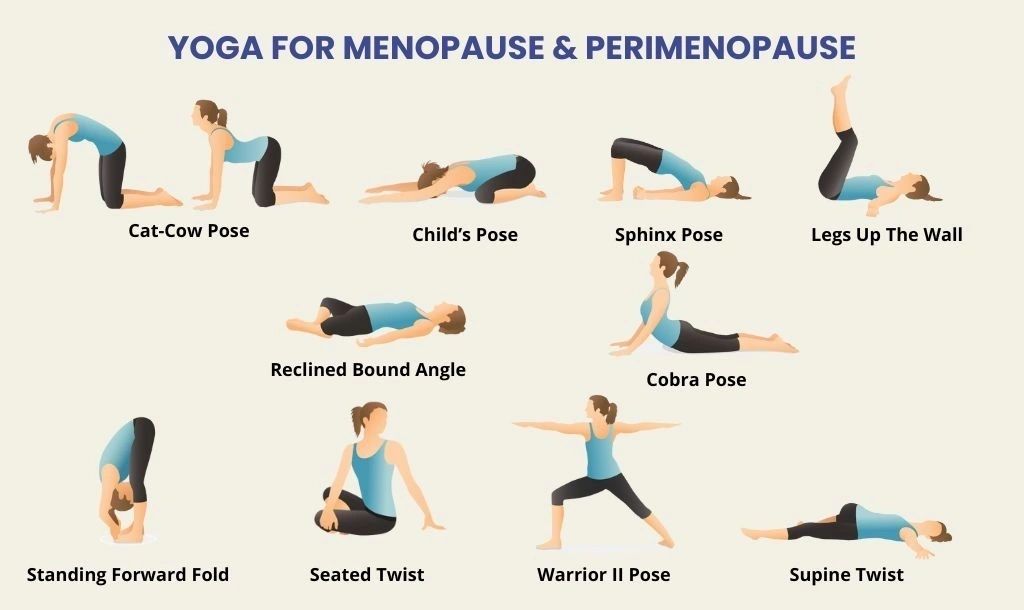
Choose grounding, steady forms of movement such as walking, yoga, stretching, and tai chi. Weight-bearing exercises are beneficial for bone health, while overly intense or depleting exercises may exacerbate symptoms.
5. Abhyanga (Oil Massage)
Regular self-massage with warm sesame or medicated oils helps calm the nervous system, nourish the skin, improve circulation, and reduce anxiety.
6. Panchakarma & Detoxification
When appropriate and under professional supervision, Ayurvedic cleansing therapies can help rebalance the body. However, aggressive detox is not always suitable during menopause; gentleness is key.
7. Stress & Mind Care
Meditation, pranayama, restorative yoga, and time in nature help regulate the nervous system. Herbal teas such as chamomile or tulsi may also support calm and emotional steadiness.
Menopause as a New Beginning
Ayurveda reminds us that menopause is not an ending, it is a reorientation. A time when outward demands soften and inner wisdom becomes more accessible.
With the right support, this transition can become an opportunity to cultivate vitality, clarity, and a deeper relationship with oneself.
Menopause is not about loss; it is about refinement.
Looking for Support?
If you are navigating peri-menopause, menopause, or post-menopause and would like personalized guidance, Olea Olivedic offers Ayurvedic consultations rooted in tradition, compassion, and modern understanding, supporting you toward balance, resilience, and long-term well-being. Connect with me [smita@oleaolivedic.com] to schedule your private session.