
Sub-Total: €0.00
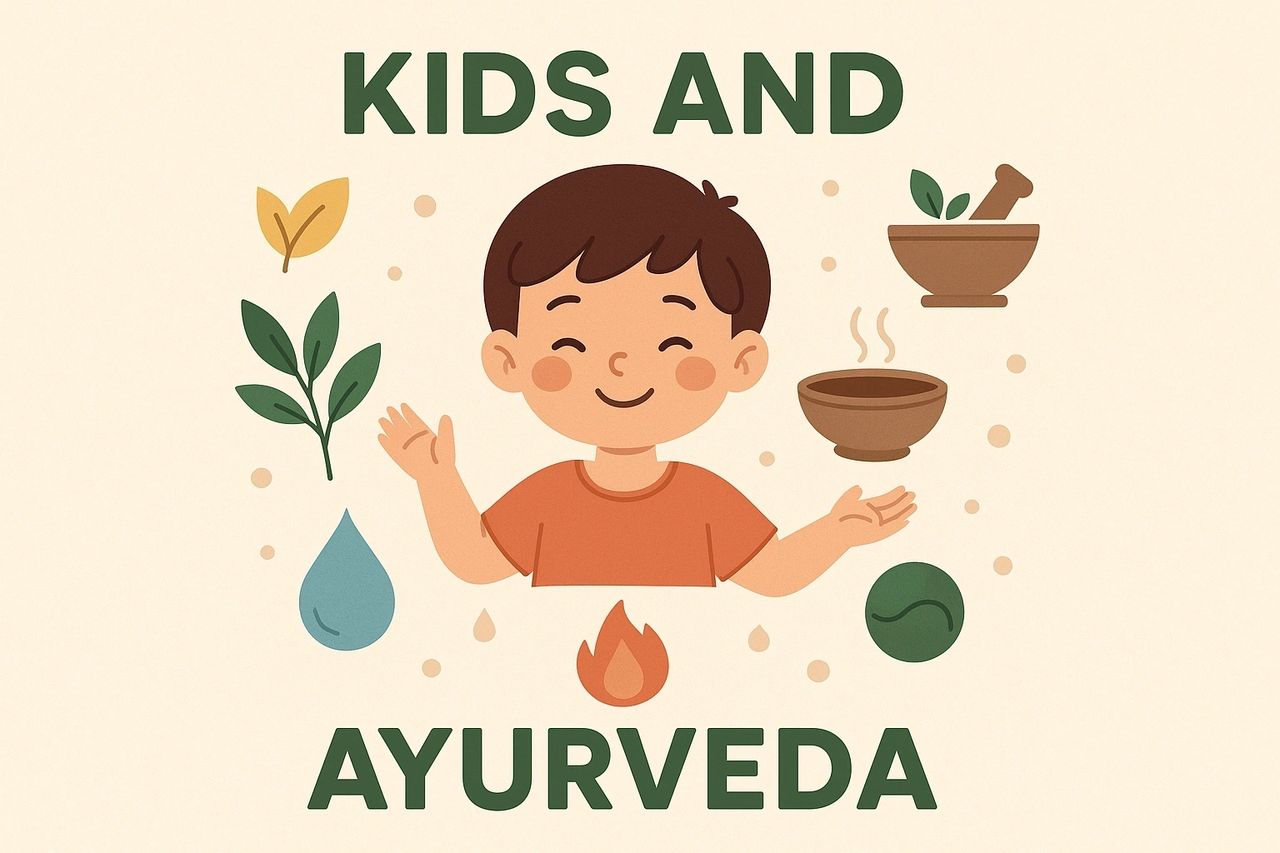
Kids and Ayurveda: A Natural Approach to Raising Healthy Children ayurveda and kids nutrition Ayurveda Parenting
Discover how Ayurveda can support your child’s growth through natural remedies, balanced routines, and mindful nutrition. A gentle guide for holistic parenting.
In today’s fast-paced world, many parents are looking for natural, holistic approaches to raise healthy and happy children. Ayurveda, the ancient Indian science of life, offers powerful yet gentle tools to support your child’s well-being—physically, emotionally, and mentally.
Whether you’re new to Ayurveda or simply curious, this guide will help you understand how to care for your child the Ayurvedic way.
Understanding Your Child Through Ayurveda
Ayurveda is based on the balance of three energies called doshas:
- Vata (air + space) – movement, creativity
- Pitta (fire + water) – digestion, focus
- Kapha (earth + water) – stability, growth
How doshas show up in children:
- Vata kids: Lively, imaginative, often cold, prone to irregular digestion and anxiety.
- Pitta kids: Intelligent, confident, can overheat easily or become irritable.
- Kapha kids: Calm and loving, may gain weight easily or get sluggish.
Understanding your child’s dosha helps you tailor food, sleep, activity, and emotional care for their natural tendencies.
Ayurvedic Nutrition for Kids
Ayurveda views food as medicine, especially for growing children. Warm, nourishing, and seasonal foods support strong digestion and immunity.
Key Ayurvedic food tips:
- Offer freshly cooked meals at regular times.
- Minimize processed, cold, or packaged snacks.
- Include the six tastes daily: sweet, sour, salty, pungent, bitter, astringent.
Sample Daily Plan:
- Breakfast: Oatmeal with ghee and dates
- Lunch: Rice, lentils (khichdi), and veggies
- Snack: Fresh fruit or soaked almonds
- Dinner: Light soup or steamed vegetables with soft grains
Avoid giving too many sweets or fried foods, which can dull digestion and increase imbalance.
Daily Ayurvedic Routine for Children (Dinacharya)
Routine provides children with a sense of security and regulates their energy. A few simple Ayurvedic rituals can go a long way.
Dinacharya tips:
- Gentle morning oil massage (Abhyanga) with sesame or coconut oil
- Brushing teeth and tongue cleaning
- Outdoor play and sunlight exposure
- Consistent nap and sleep times (aim for early bedtime)
- Limited screen time, especially before sleep
Natural Remedies for Common Ailments
Ayurveda offers natural support for many everyday childhood issues. Always check with a qualified practitioner before giving herbs to children.
Safe Ayurvedic remedies:
- Colds/Coughs: Tulsi tea, turmeric milk, ginger-honey paste (for kids 1+)
- Constipation: Soaked raisins or warm milk with ghee
- Hyperactivity/Anxiety: Brahmi oil massage, calming music, quiet time
These remedies work gently by supporting the root cause, not just masking symptoms.
Emotional Well-Being in Kids
Ayurveda recognizes that children’s emotional balance is deeply connected to their routines, diet, and environment.
Tips for supporting mental harmony:
- Daily storytelling, creative play, and expression
- Nature time over screen time
- Breathing exercises or short, calming meditation
- Creating a peaceful home environment
Children who feel heard and secure are naturally more balanced and resilient.
Parenting the Ayurvedic Way
Ayurveda teaches that parents’ energy strongly influences children. When you live with balance, your child follows naturally.
Ayurvedic parenting practices:
- Eat meals together without screens
- Practice self-care so you’re calm and present
- Keep a steady rhythm at home (wake, meals, sleep)
- Model kindness, mindfulness, and gratitude
Final Thoughts: Let Nature Guide the Way
Raising kids with Ayurveda doesn’t mean giving up modern medicine—it’s about adding timeless wisdom to everyday life. Through warm meals, simple routines, emotional presence, and a connection to nature, you support your child’s complete well-being.
Ayurveda is not a trend. It’s a lifestyle of balance—and it starts at home.