
Sub-Total: €0.00
Chai, Pakoras, and Grace in the Foothills of the Himalayas
Earlier this year, I found myself traveling through India’s northern edge, nestled in the foothills of the Himalayas. Our retreat, thoughtfully organized by Dr. Vikas and Dr. Nikita, was nestled near the serene waters of the Pong Reservoir, also known as Maharana Pratap Sagar, in the Kangra district of Himachal Pradesh. Surrounded by the gentle rustle of tall trees and the soft embrace of misty mornings, the location offered a profound stillness that seemed to emanate from the earth itself. This tranquil setting, with its rich biodiversity and peaceful ambiance, provided the perfect backdrop for a rejuvenating experience, reflecting the meticulous planning and deep understanding of nature’s healing power by our hosts.

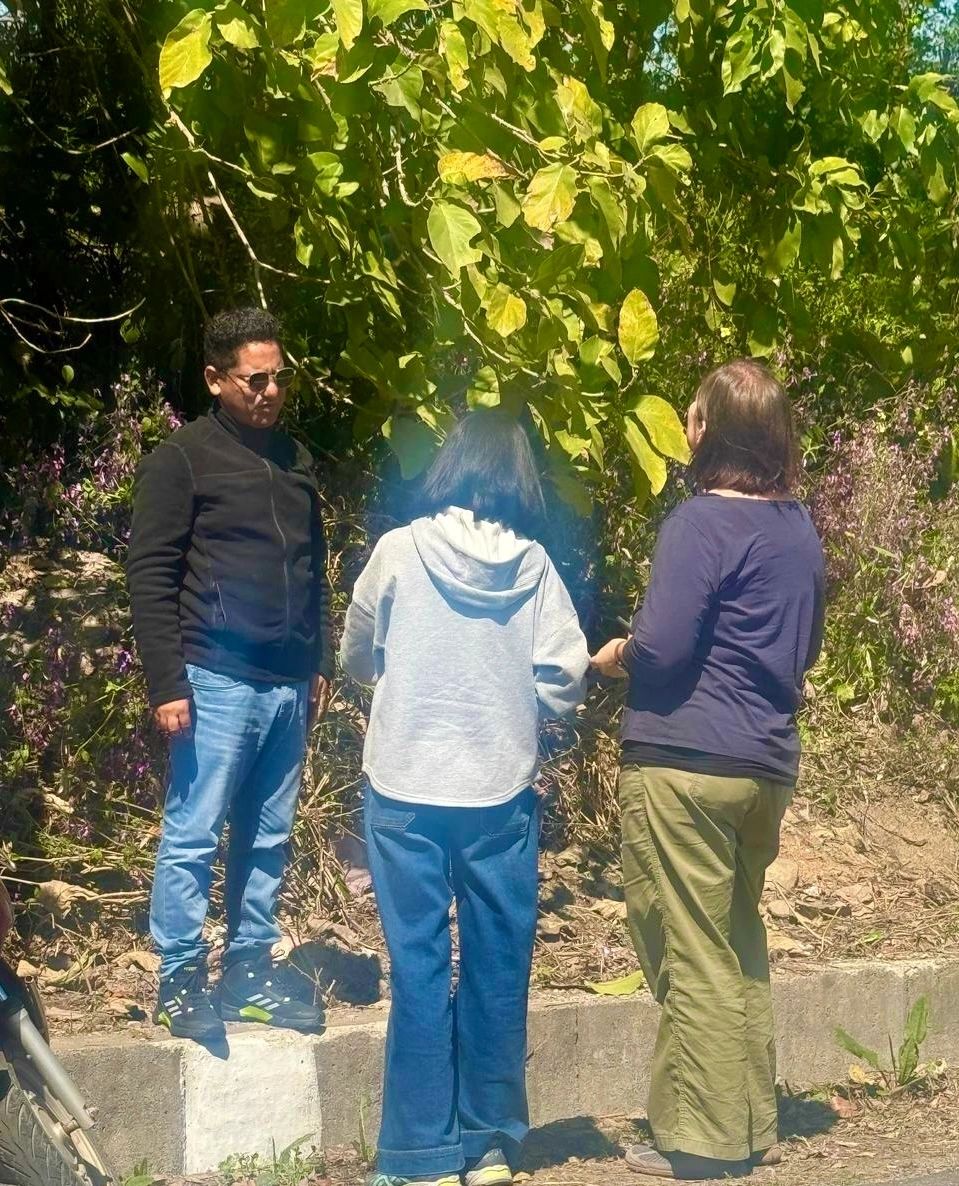
On one particularly serene morning, we embarked on a tranquil nature walk to identify various herbs. The air was crisp, the forest alive with birdsong, and the scent of damp earth grounding us with every step, offering a peaceful setting for our herbal exploration. As we wandered down a quiet road near the dam, we came across a small roadside shed, partially hidden by the bend in the path.

Smoke curled from behind the tin roof, and inside stood an elderly man tending to a simple stove. A pot of chai simmered gently, and the sound of pakoras sizzling in hot oil filled the air. The aroma—spiced, warm, inviting—drew us in like a magnet.
On a whim, I approached and asked, “kya main aapakee madad kar sakata hoon?” (“Can I help you?”). He paused, surprised. Then, with a gentle smile and shining eyes, he replied, “haan, agar aapako is chhote se shed mein khaana pakaane mein koee aapatti nahin hai” (“Yes, if you don’t mind cooking in this shed.”)
His words, so humble and open, caught me off guard. I felt my throat tighten. This wasn’t a scripted moment; this was real, unfiltered humanity.

A Kitchen Without Walls
There was no electricity, only a concrete block with a wood-burning flame, where he brewed tea and fried food with ease. There was no running water, just buckets carefully filled for washing and cooking. And yet, everything about his space was purposeful and beautifully efficient—a testament to years of wisdom and resilience.
We stood side by side as I washed my hands from a steel tumbler, rolled up my sleeves, and began frying pakoras. He handed me a ladle and we worked in a flow, passing plates and pouring chai for travelers and a few local soldiers, stationed nearby as quiet guardians of the dam.

“Sometimes the deepest connection is shared without words — just warmth, food, and presence.”
A Quiet Connection in the Himalayas
There are moments when words become unnecessary, and connection is felt through shared presence, warmth, and simple acts.
As I stirred chai and smiled at strangers, I realized how deeply comforting this space was. There was grace, dignity, and connection in that humble roadside shed. I didn’t know his name, and he didn’t ask mine. But the energy we shared in those quiet, smoky moments was universal.
Before I left, we tasted the pakoras. It was perfect. Crisp, golden, and deeply satisfying. The best pakoras and chai I’ve ever had—not just because of flavor, but because of the feeling behind them.
As I prepared to leave, I offered a gentle namaste in gratitude. He smiled and pressed his palms together, offering his blessings for the journey ahead.

A Moment to Carry Forward
That morning reminded me that home isn’t always a place, and nourishment isn’t always about food. Sometimes, it’s about being seen. It’s about offering help without expecting anything in return. And it’s about saying yes—even to a stranger—because kindness still lives quietly in the world.
Thank you to Dr. Vikas and Dr. Nikita for this unforgettable experience in the Himalayas. You both are truly inspiring. And to Arthav, your love and radiant smile bring endless joy to my life. Thank you for being such a light.
Want to make your own roadside-style chai and pakoras?

Roadside-Style Masala Chai
Fragrant, warming, and brewed over a flame with soul.
Ingredients (Serves 2)
- 1 ½ cups water
- ½ cup whole milk (or oat milk for dairy-free)
- 2 tsp black tea leaves (Assam recommended)
- 3–4 green cardamom pods, crushed
- 1 small piece of fresh ginger, sliced or crushed
- 1 stick cinnamon (optional)
- 2 tsp raw sugar or jaggery, to taste
Instructions
- In a saucepan, add water, cardamom, ginger, and cinnamon. Bring to a boil.
- Add tea leaves and simmer for 2–3 minutes.
- Add milk and sugar, stir, and bring to a gentle boil again.
- Let simmer for 2–4 minutes, depending on how strong you like it.
- Strain into small cups and serve piping hot.
Tip: The longer the simmer, the deeper the flavor, just like roadside chai stands do!
Roadside-Style Onion Pakoras
Golden, crisp, and addictive. Best served with chai and good company.
Ingredients
- 1 large onion, thinly sliced
- ½ cup besan (chickpea flour)
- 1 tbsp rice flour (for crispiness)
- 1–2 chopped green chilies (optional)
- 2 tbsp chopped coriander or cilantro
- ½ tsp turmeric
- ½ tsp carom seeds (ajwain)
- Salt, to taste
- Water (just enough to bind)
- Oil for deep frying (preferably mustard or sunflower oil)
Instructions:
1. Prepare the Onions:
- In a mixing bowl, combine the thinly sliced onions with salt. Let them sit for 5–10 minutes. This process draws out moisture from the onions, which will help bind the batter without adding excessive water.
2. Mix the Batter:
- Add besan, rice flour, chopped green chilies (if using), chopped coriander, turmeric powder, and carom seeds to the salted onions.
- Mix thoroughly until the onions are well coated. The moisture released from the onions should be sufficient to bind the mixture. If the batter feels too dry, add a splash of water—just enough to make the mixture sticky but not runny.
3. Heat the Oil:
- In a deep frying pan or kadai, heat the oil over medium heat. To test if the oil is ready, drop a small piece of the batter into the oil; if it sizzles and rises to the surface, the oil is hot enough for frying.
4. Fry the Pakoras:
- Carefully drop small portions of the batter into the hot oil using your fingers or a spoon. Avoid overcrowding the pan to ensure even cooking.
- Fry the pakoras, turning occasionally, until they turn golden brown and crisp on all sides. This should take about 4–5 minutes per batch.
5. Drain and Serve:
- Using a slotted spoon, remove the fried pakoras from the oil and place them on a plate lined with paper towels to absorb excess oil.
- Serve the hot pakoras immediately with your favorite chutney or sauce. They pair exceptionally well with green chutney or tamarind chutney. Enjoy them alongside a steaming cup of chai for the ultimate experience.
Tips:
- For extra crispiness, ensure the batter is not too wet. The moisture from the onions is usually sufficient.
- Adding a tablespoon of hot oil to the batter before frying can enhance the pakoras’ crisp texture.
- If you prefer a spicier version, increase the number of green chilies or add a pinch of red chili powder to the batter.
Enjoy your homemade roadside-style onion pakoras!

Thank you for reading and sharing in this moment with me. I hope the story and the flavors of roadside chai and pakoras brought a little warmth to your day. May your next cup of chai and plate of pakoras bring you the same warmth, connection, and simple joy that I found in that little Himalayan shed.
Love, Light and Blessings!