
Sub-Total: €0.00
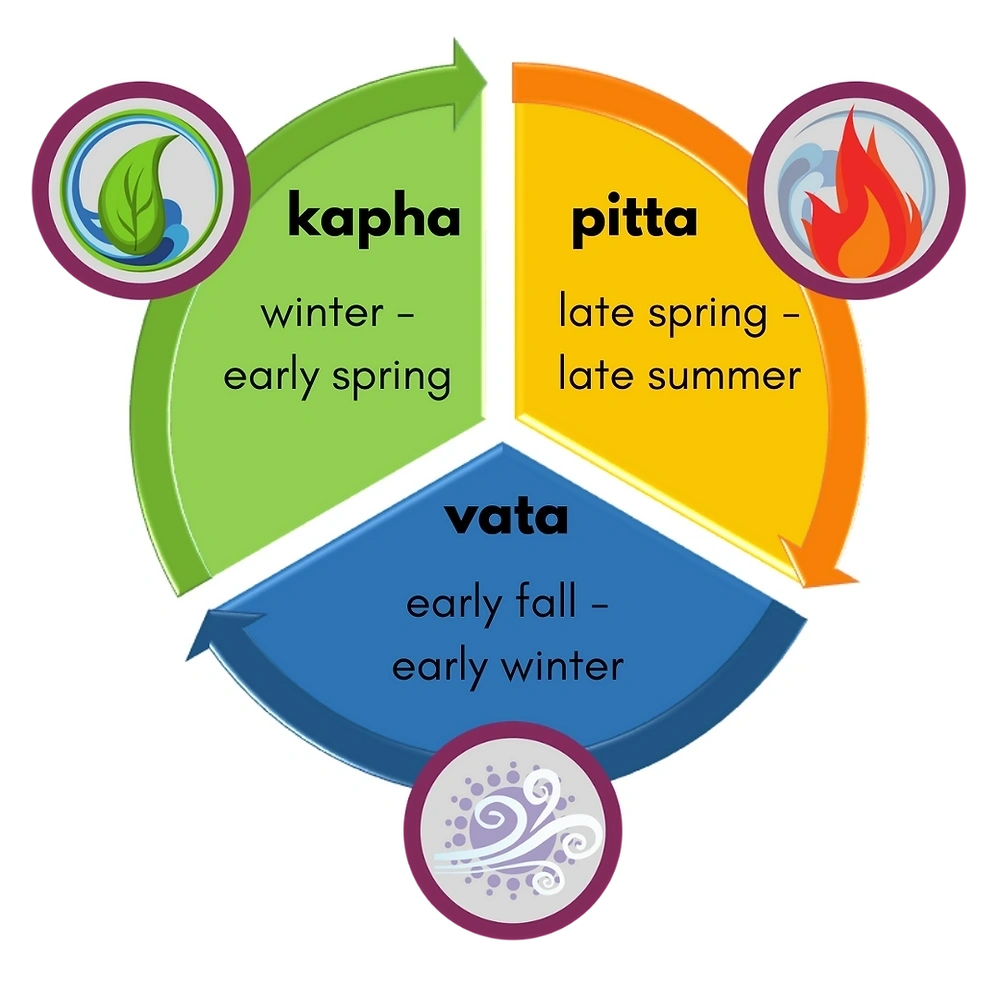
AYURVEDA & THE SEASONS – SPRING
Ayurveda Tips for Vata Balance in Spring
As the vibrant and renewing season of Spring begins, it ushers in warmer weather, blooming flowers, and a sense of fresh vitality. While the season is often a time of growth and rejuvenation, it can also pose challenges for those with a predominant Vata dosha. According to Ayurveda, Vata represents the elements of air and ether—qualities that are dry, cold, light, and irregular.
As Spring brings a transition from the cold, dry winter to the warmer, more humid months, the Vata dosha can become aggravated. This may lead to symptoms like dryness, anxiety, irregular digestion, bloating, or feeling ungrounded. To maintain balance during this season, here are Ayurvedic tips for Vata balance in Spring.
1. Nourish with Warm, Moist Foods
Vata is inherently dry and cool, and Spring can intensify these qualities. To balance Vata, Ayurveda recommends focusing on warm, moist, and grounding foods. The goal is to counteract the dryness and coldness that are common during the season.
- Soups and stews: Opt for warm, comforting soups, stews, and broths, made with nourishing vegetables, beans, and healthy fats. These help hydrate and warm the body, making it easier to digest.
- Oatmeal and porridge: Start your day with a warm breakfast like oatmeal, cream of wheat, or rice porridge. Adding ghee, cinnamon, cardamom, or almonds can further enhance the grounding and moistening effect.
- Healthy fats: Incorporate healthy fats like ghee, avocados, and olive oil into your meals to nourish the body and provide stability to the nervous system.
- Warm, herbal teas: Drink teas made with ginger, cinnamon, licorice, and fennel to warm the digestive system and keep your body hydrated.
Avoid foods that are too dry, cold, or raw, such as crackers, cold salads, and ice-cold drinks. These can aggravate Vata and make the body feel even more ungrounded and dry.
2. Keep a Consistent Daily Routine
Vata thrives on regularity and consistency. Since Spring can sometimes bring unpredictable weather and fluctuating temperatures, it’s important to establish a balanced daily routine that provides structure and grounding.
- Wake up early: Ideally, rise before 6:00 a.m. to start the day with a calm and focused energy. This helps set the tone for a grounded and productive day.
- Eat meals at regular intervals: Eating your meals at consistent times helps stabilize your digestion and avoid gas or bloating, which can be common for Vata types.
- Prioritize rest: Getting adequate rest is essential for Vata balance. Aim to go to bed early and ensure you’re getting 7-8 hours of restful sleep each night. The Spring season can sometimes bring an erratic sleep schedule, so sticking to a routine is key to avoiding excess Vata.
3. Stay Warm and Hydrated
With Vata’s cool, dry nature, it’s important to stay warm and hydrated during the Spring season. This will help ground your energy and prevent the body from becoming too dry or frazzled.
- Dress in layers: Even as the weather warms up, Spring can be unpredictable. Layering your clothing will allow you to stay warm and comfortable throughout the day.
- Warm water and herbal teas: Drink warm water throughout the day, and opt for hydrating herbal teas like ginger or chamomile. This helps to soothe dryness and keep the digestive system running smoothly.
- Use a humidifier: If you live in a dry climate, a humidifier can help add moisture to the air and prevent the skin and respiratory system from becoming too dry.
4. Engage in Grounding Exercise
Vata energy is light and mobile, so during Spring, it’s important to incorporate grounding exercises that help stabilize the body and calm the mind. Ayurveda recommends avoiding excessive, vigorous exercise, which can deplete Vata’s already fragile energy.
- Gentle yoga: Practice Hatha yoga, Restorative yoga, or Yin yoga to encourage slow and steady movement. Focus on poses that are stabilizing and grounding, such as Mountain pose (Tadasana), Tree pose (Vrikshasana), and Child’s pose (Balasana).
- Walking in nature: Take peaceful walks outdoors, especially in the morning or evening when the air is fresh and calming. Walking on soft, natural surfaces like grass or soil can be particularly grounding.
- Tai chi or Qigong: These practices are great for cultivating balance and inner calm, promoting smooth energy flow in the body.
5. Abhyanga (Self-Massage) with Warm Oils
One of the most nurturing Ayurvedic practices for Vata balance is Abhyanga, self-massage with warm oil. This soothing ritual helps hydrate the skin, calm the nervous system, and bring balance to Vata’s erratic energy.
- Choose warming oils: Use oils like sesame oil, almond oil, or coconut oil for the massage. You can also add a few drops of calming essential oils like lavender or sandalwood.
- Massage your body: Warm the oil and gently massage it into your skin in circular motions. Start with your feet and work upwards, focusing on the joints and areas of tension. This practice not only helps with Vata’s dryness but also promotes circulation and relaxation.
- After the massage: take a warm bath or shower to cleanse the skin and fully absorb the oil’s nourishing properties.
6. Mindfulness and Stress Relief
Vata is strongly connected to the nervous system, so maintaining mental clarity and emotional balance is essential during the Spring season. The unpredictable nature of the season can sometimes lead to mental restlessness, anxiety, and overwhelm.
- Practice mindfulness: Engage in mindfulness or meditation practices to calm the mind and center your energy. Breathwork (pranayama) techniques like Anulom Vilom (alternate nostril breathing) are highly effective for calming Vata’s restless tendencies.
- Journaling: Take a few moments each day to write down your thoughts and feelings. This practice can help ground your mind and release any pent-up energy.
- Creative activities: Vata is often linked to creativity, so channeling your energy into artistic endeavors like drawing, painting, or writing can be incredibly soothing.
Spring can be an exciting yet challenging season for those with a predominant Vata dosha. By embracing a grounding, nourishing, and calming lifestyle, you can maintain balance during this time of renewal. Focus on maintaining warmth, hydration, and routine while engaging in nurturing practices like Abhyanga, gentle yoga, and mindfulness to support both your body and mind.
By aligning with the natural rhythms of Spring and honoring your unique constitution, you can embrace this season with vitality, peace, and balance.